Bed covers encompass a range of textile layers designed to protect, insulate, and enhance the aesthetic of sleeping spaces. This category highlights how fabrics, weaves, and finishing details influence warmth, breathability, and ease of care. Understanding material properties helps in selecting options that align with climate, sensitivity, and maintenance preferences for improved sleep quality.
Common bed cover constructions include lightweight quilts, coverlets, and woven throws, each offering distinct thermo-regulatory advantages. For example, linen blends provide cool comfort in warm seasons, while cotton and wool blends offer substantial warmth in cooler months. The choice of weave, such as percale or sateen, also affects texture, drape, and durability over time.
Key features to evaluate include fabric composition, thread count, and finish treatments. Certifications or natural fibers can indicate lower chemical exposure, while pre-washed textures may influence softness and shrinkage. Practical considerations include machine washability, fade resistance, and colorfastness, all of which support long-term usability in daily living environments.
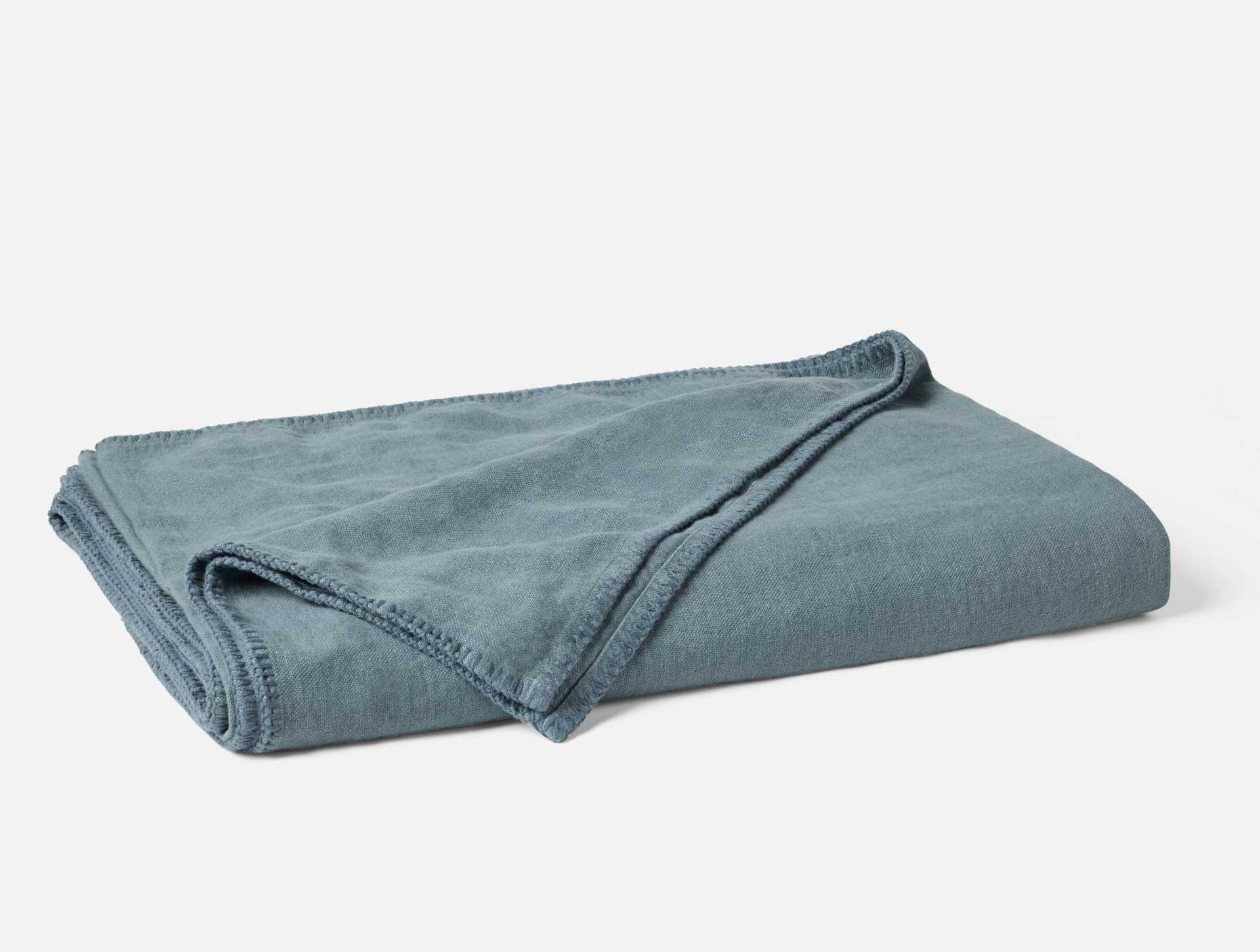
The Helena Organic Linen Coverlet represents an example of how organic linen can balance tactile comfort with functional performance. Its breathable linen fibers promote air circulation, reducing overheating during sleep. The coverlet’s natural drape and hypoallergenic properties make it suitable for sensitive skin, while its durability supports repeated use and care cycles.
In addition to primary bed covers, the broader category intersects with bedding essentials such as pillows, sheets, and bath robes, reflecting a cohesive approach to sleep ambiance. Understanding how bed covers interact with other textiles—like moisture-wicking sheets or textured pillowcases—helps clarify how to create a restful, hygienic, and inviting bedroom environment.
 Bedding
