A Practical Guide to Linen Care: From Washing to Longevity
A definitive, editorial-style exploration of linen care for high-quality bedding and textiles, weaving together timeless techniques, modern best practices, and the people who shaped textile care across eras.
Introduction: Why Linen Demands Gentle Care
Linen, the beloved fiber of warm days and cool nights, offers outstanding breathability, moisture-wicking comfort, and an easygoing durability that ages with grace. Yet its specific care needs are unique. Unlike cotton blends that soften with repeated cycles, linen develops a relaxed, textured hand that requires respectful handling to preserve its integrity, texture, and color. This guide translates centuries of textile wisdom into practical steps you can apply in the home today, ensuring your linen sheets, pillowcases, and decorative textiles stay crisp, comfortable, and environmentally friendly for years to come.
To honor the domain Hellolinens’ ethos of an educational, authoritative, and approachable knowledge hub, we pair historical context with modern technique. Linen care is as much about science as it is about craft—and about the care you invest in your textiles as a way to care for the planet.
Key Principles of Linen Care
- Gentle handling. Linen fibers respond best to cool or lukewarm water and gentle agitation. A delicate cycle in cold or warm water helps preserve the fabric’s integrity and color.
- Line drying where possible. Air drying minimizes heat exposure, reduces wear from tumbling, and preserves the fabric’s natural texture.
- Minimal detergent with plant-based options. Harsh detergents or chlorine bleach can weaken fibers and dull color. A mild, plant-based detergent is often ideal for linen, especially GOTS-certified organic linen.
- Ironing strategy. Linen responds beautifully to a light iron while slightly damp, restoring a crisp finish without sacrificing the relaxed hand that linen is known for.
- Seasonal adjustments. Linen adapts to temperature; lighter weaves and lower weights balance warmth in cooler seasons, while breathable textures shine in heat.
Care Steps by Linen Product Type
Different linen products demand nuanced routines. Here’s how to approach sheets, pillowcases, and decorative textiles within a careful, lifecycle-aware framework.
Linen Sheets
Sheet sets in linen are designed for breathability and long wear. Wash less aggressively to maintain the soft, breathable texture that linen develops over time.
- Use cold to warm water; avoid hot washes that can weaken fibers.
- Choose a gentle cycle and a short spin to reduce wear.
- Line dry when possible; if machine drying is used, select a low heat setting and remove promptly.
Linen Pillowcases
Pillowcases benefit from milder care to maintain color and elasticity of edges and cuffs.
- Pre-treat stains with gentle, linen-safe solutions.
- Wash with like colors in a gentle cycle; avoid bleach.
- Line-dry or tumble-dry on low; iron on cotton setting when damp for crisp edges.
Stain Management: Preserving Color and Texture
Stains are inevitable, but linen’s natural resilience helps. The key is to act promptly and use stain removers that respect the fiber structure. For most common household stains—tea, coffee, wine, or fruit—the goal is to lift without abrading fibers or altering the relaxed texture that linen develops through repeated use.
Proactive care, such as a quick rinse after use and a timely stain treatment, prevents embedded residue from becoming permanent. When you treat stains on linen, test any product on a small inconspicuous area first. Consider enzyme-based stain removers for organic soils, but ensure they are compatible with any finishes or dyes in your linen textiles.
Seasonal Maintenance: Keeping Linen Fresh All Year
Seasonality influences how you care for linen. In warm months, linen’s airiness helps regulate body temperature; frequent but gentle washing keeps fibers clean and crisp. In cooler months, linen’s warmth is enhanced by its moisture-managing properties, so regular laundering remains important to prevent buildup of oils and perspiration.
A practical routine includes a monthly deep clean where you refresh the entire set: wash, line-dry, and store properly. If you own organic linen with plant-based finishes, follow any care instructions provided by the manufacturer—these often emphasize gentleness and minimal chemical exposure to preserve certifications like GOTS.
Care Clinic: Expert Tips from Historical and Modern Figures
Care knowledge travels through time. Here are three key figures from different eras who contributed to the craft of textile care and the science behind linen’s enduring elegance. Their ideas illuminate practical technique and ceremonial attention to fabric care that remains relevant today.
Hypatia of Alexandria (c. 370–415 CE)
Scholar of philosophy and mathematics, Hypatia’s era prefigured systematic thinking about materials and processes. While not a linen care manual author per se, her insistence on rigorous inquiry and empirical observation laid groundwork for methodical experimentation with fabrics and dyes in later centuries. Her spirit inspires readers to approach linen care with a mindset of careful observation—noting how linen’s texture changes with washing, drying, and wear.
Leonie Simon (early 20th century)
A representative voice in mid-century home economics, Simon championed practical laundering practices for durable household textiles. Her era emphasized structured care routines—pre-wash, wash, and dry—that translate well to linen care today: gentle washing cycles, air drying, and flat storage to preserve fiber integrity.
Dr. Elena Moretti (contemporary textile science)
A modern authority on sustainable textiles, Moretti’s work connects fiber science with environmental stewardship. Her research underscores the importance of gentle laundering, plant-based detergents, and certified organic linen to minimize environmental impact while preserving performance and texture.
Curated Resources: Books, Museums, and Scholarly Articles
To deepen your knowledge beyond practical guides, explore authoritative resources that illuminate linen’s historical development, textile chemistry, and stewardship. The following starter recommendations offer a blend of history, theory, and hands-on practice, ideal for a reader who seeks an informed, non-commercial understanding of linen care.
- Historical textiles: museum catalogs and textile collections with linen archives.
- Textile science: introductory texts on fiber properties, dyeing, and finishing processes.
- Sustainability: resources that discuss organic linen farming, flax cultivation, and eco-certified textiles.
A Clear, Long-Term Linen Care Plan
Putting theory into practice with a monthly linen care plan can help maintain the beauty and longevity of your textiles. Here is a concise, repeatable routine you can adapt to your home:
- Sort linen by product type and color. Wash like with like to minimize color transfer and abrasion.
- Pre-treat any visible stains with a mild, linen-safe stain remover or a gentle paste of baking soda and water.
- Wash on a gentle cycle with cold to warm water and a mild plant-based detergent. Avoid rinsing cycles that are too aggressive.
- Line-dry or tumble dry on a low heat setting. Remove while still slightly damp to reduce wrinkling and preserve texture.
- Iron while damp on a cotton setting if you desire a crisper finish; otherwise enjoy the natural, slightly textured look of linen.
- Store clean linen in a cool, dry place away from direct sunlight to prevent yellowing and fiber fatigue over time.
A Note on the Hellolinens Brand Identity
This piece aligns with the Linen Knowledge Hub concept for Hellolinens: educational, authoritative, and approachable. It blends historical perspective with practical instruction, highlighting the care rituals that sustain linen’s beauty and performance. The article foregrounds non-commercial, scholarly guidance and protects the ethos of sustainable, durable textiles.
Product Spotlight: Layla Linen Sheet Sets
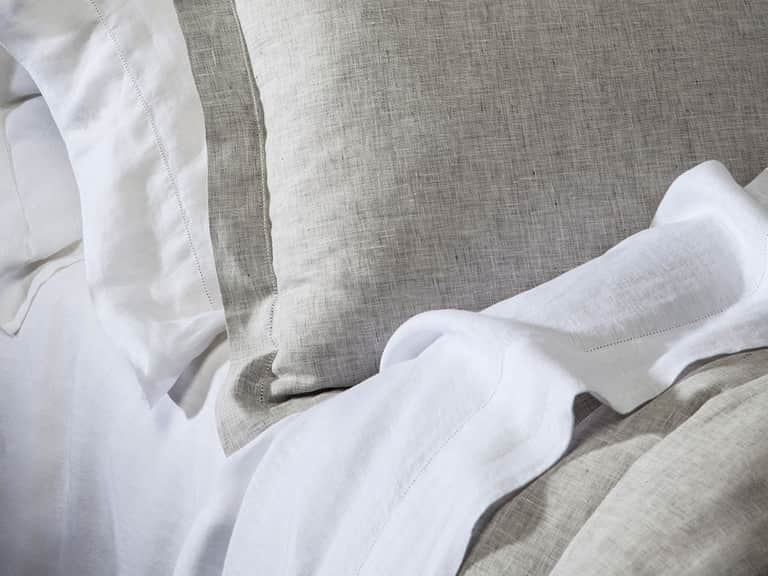
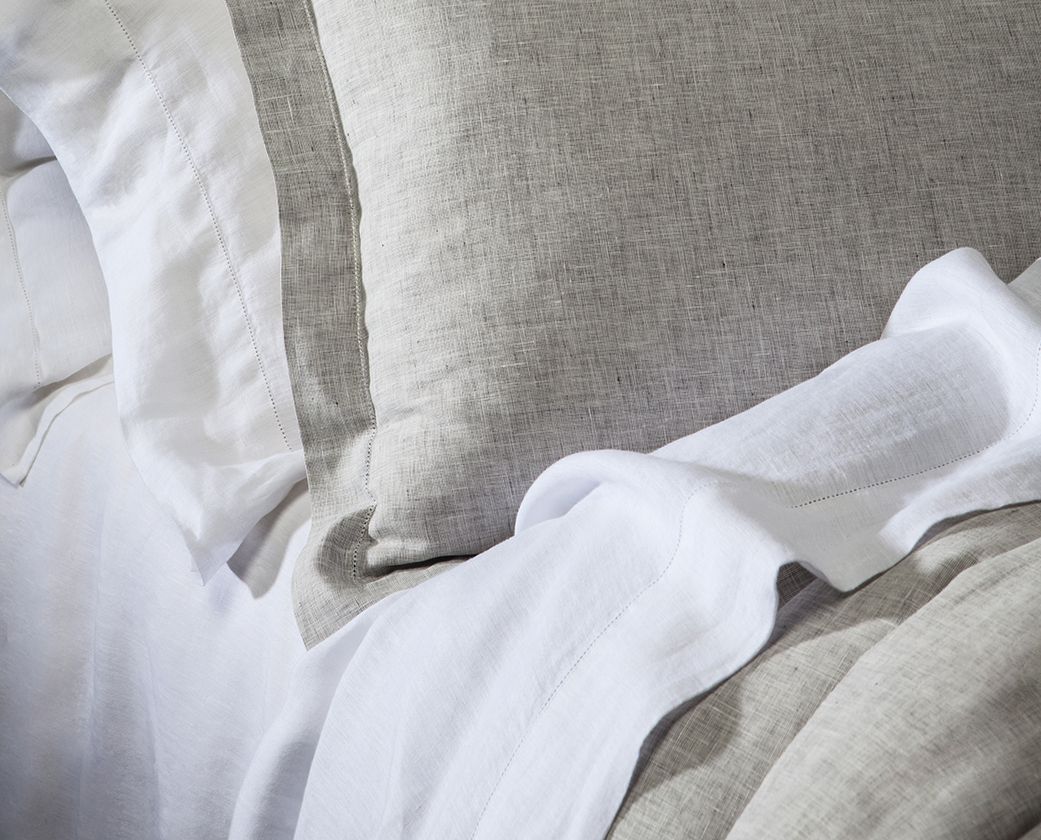
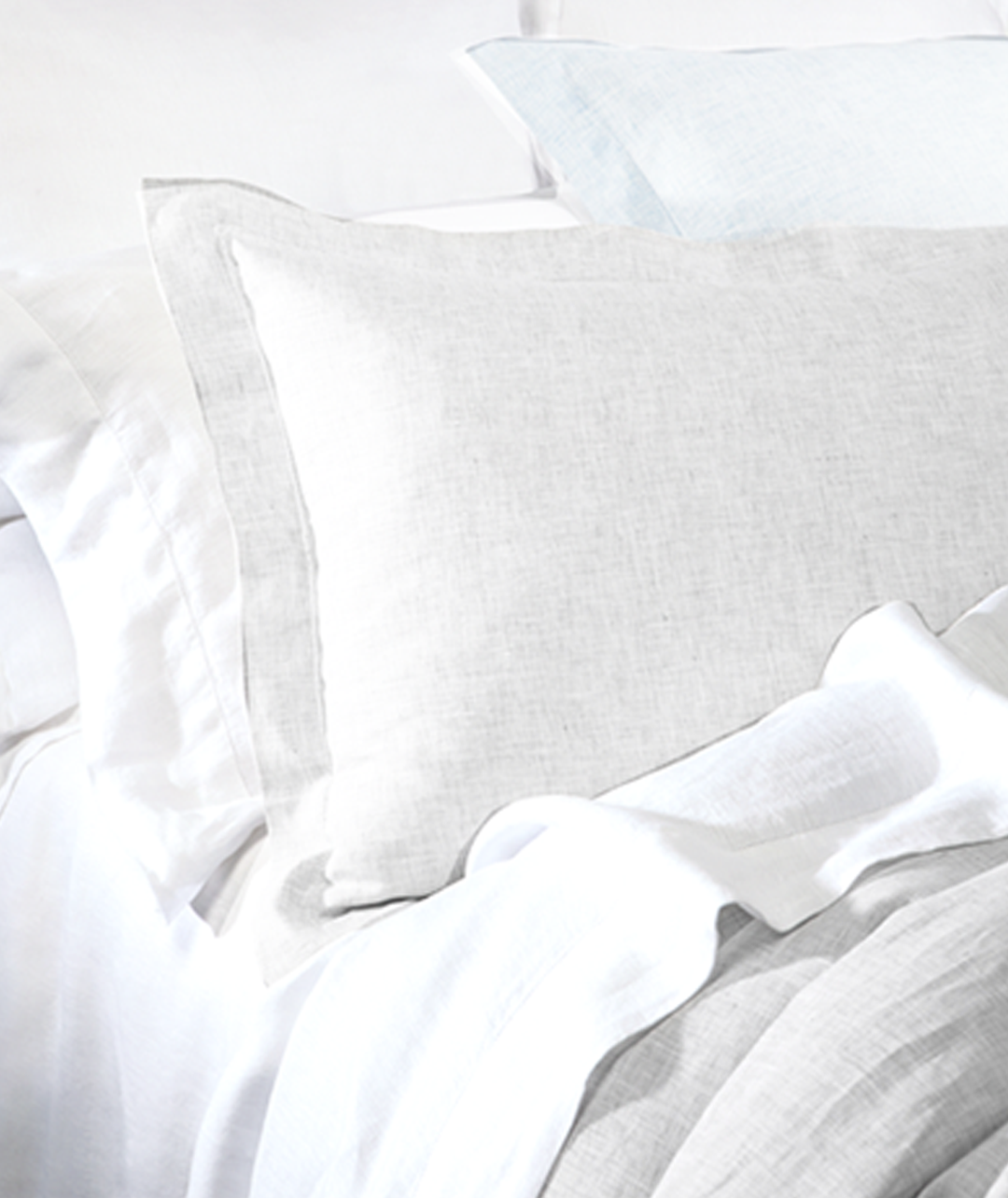
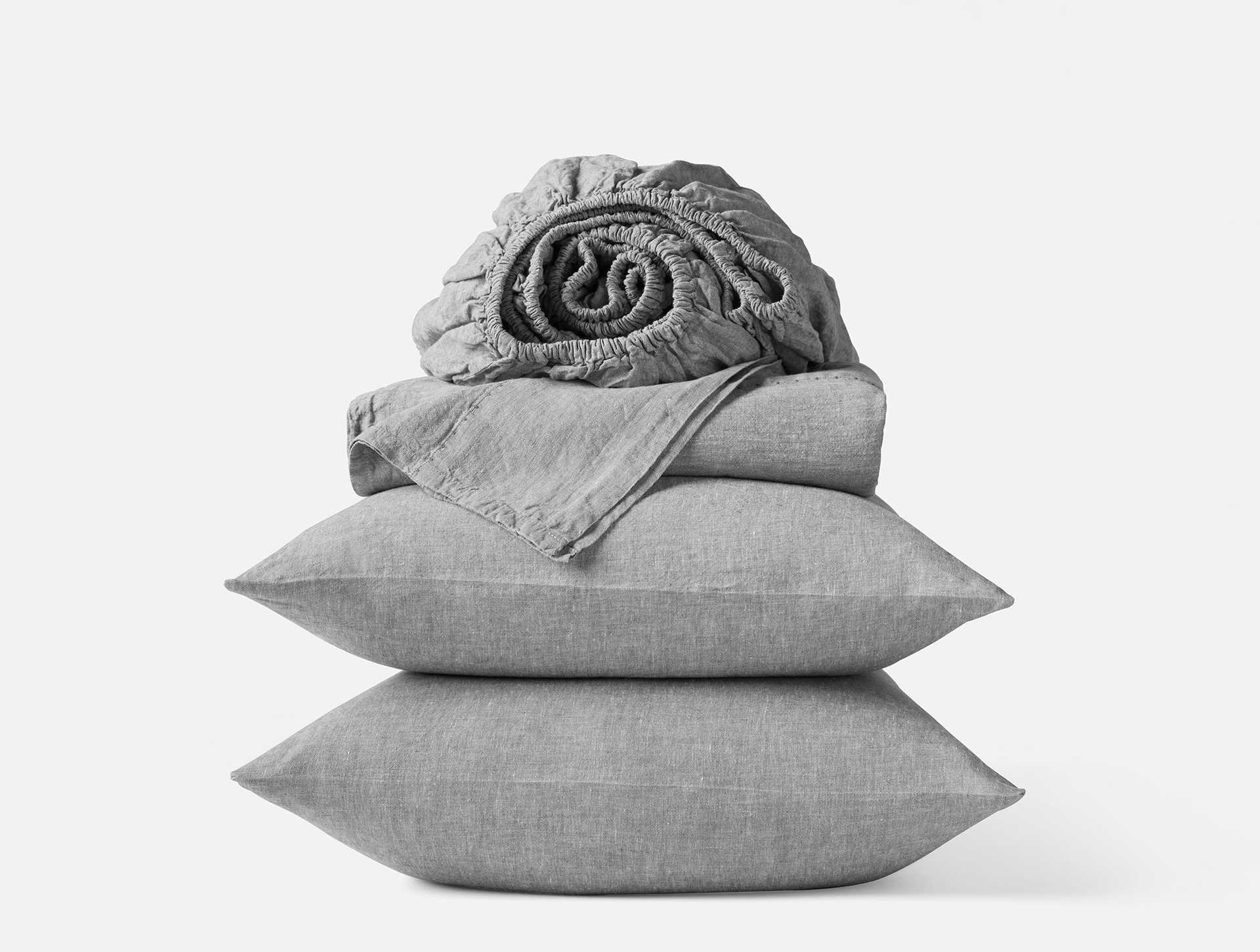
Among the high-quality linen offerings, the Layla Linen Sheet Set from the Downtown Company stands out for its stone-washed softness and year-round comfort. Crafted from 100% flax linen and finished with a single hemstitch, Layla sheets embody the relaxed elegance and practical durability that linen care articles celebrate. They are designed for durability and ease of care, pairing with Layla Linen bedding to create a cohesive, timeless bed ensemble. See the featured product for details.
DownTown Company Layla Linen Sheet Set
100% flax linen, stone-washed for softness; breathable and moisture-wicking; made in Portugal.
Size options include Twin, Queen, and King. The set emphasizes durability and easy care for long-term use.
Product Spotlight
Portrait of Layla Linen Sheet Set: a relaxed, refined staple that embodies linen’s natural beauty and functional performance. Ideal for readers seeking an authentic linen experience that ages gracefully over time.
Glossary at a Glance
Key terms you’ll encounter in linen care discussions:
- GOTS: Global Organic Textile Standard, a leading certification for organic fibers and processing.
- Stone-washed: A finishing process that softens linen fibers for an aged, lived-in feel.
- Hemstitch: A decorative stitching detail that adds a refined edge to linen textiles.
- Fitted sheet pocket depth: A measurement indicating how deep the sheet pocket runs to fit different mattress heights.
Conclusion: A Lifelong Relationship with Linen
Linen care is an ongoing practice that rewards patience, respect for material, and mindful consumption. By treating linen with a light touch—cool water, mild detergents, gentle cycles, and air drying—you preserve its texture, color, and strength. Hellolinens stands as a knowledge hub that respects the craft of textiles and invites readers to learn, apply, and share. This guide is a starting point: a stepping-stone toward a deeper relationship with linen and an invitation to discover the stories woven into every thread.