Bedroom Styling · Linen 101
Building a Linen-Layered Bedroom: Texture, Color, and Seasonal Balance
A bedroom that feels welcoming rarely depends on perfect symmetry or a mountain of decorative pillows. Linen brings its own quiet character: a softly irregular surface, an easy drape, and a lived-in quality that makes thoughtful layers feel relaxed rather than overdone. With a considered mix of color, texture, and weight, a linen-layered bed can feel comfortable through changing seasons—and still look like a place you genuinely want to settle into.
Published October 31, 2026
Start with the feeling, not the formula
There is no single recipe for a beautifully layered bed. Some rooms call for pale, airy linens and a light blanket folded at the foot; others feel more inviting with deeper colors, substantial coverlets, and a generous duvet. The best starting point is the atmosphere you want to create. Should the room feel crisp and bright, cozy and grounded, or somewhere in between?
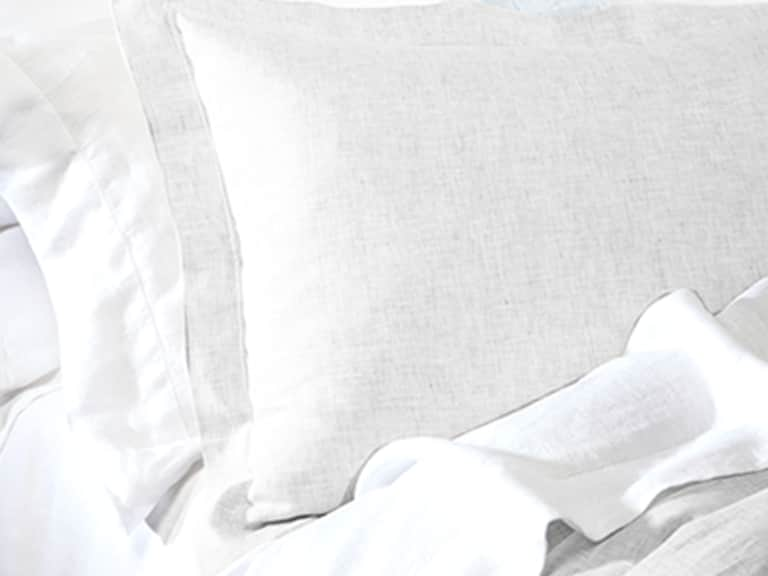
Linen is especially useful in this kind of bedroom styling because it has visible texture without needing a bold pattern. Its natural creases catch light differently from smooth cotton or sateen, and its drape tends to soften the outline of a bed. Those qualities add depth even when the palette is restrained. Instead of piling on accessories, you can let the fabric itself do some of the design work.
Think of the bed as a small composition with a practical purpose. Sheets form the closest layer to the body. A duvet or comforter provides insulation. A blanket or coverlet can add another degree of warmth and a contrasting surface. Pillowcases and decorative covers finish the arrangement, but each should have a reason to be there—comfort, support, color, or texture.
That approach keeps a room from feeling staged. A bed can be polished without looking untouched, and a little rumpling is part of linen’s appeal. The aim is not to erase every crease; it is to create a balanced arrangement that feels inviting when made and comfortable when lived in.
Build a comfortable foundation
Begin with the sheets, since they establish both the bed’s feel and its visual base. Linen sheets often have a more textured hand than finely finished cotton, and they tend to soften through regular use and washing. Their breathable structure can be appealing in warm weather, while the fabric’s natural substance still gives the bed a comfortable sense of weight. Individual experiences vary, of course: room temperature, mattress, sleepwear, and personal preference all shape how bedding feels overnight.
Before choosing a sheet set, check the practical details as carefully as the color. Confirm the mattress dimensions and the fitted-sheet pocket depth, especially if the mattress is tall or has a topper. Pay attention to what the set includes, too: pillowcase counts and sizes can differ by bed size and manufacturer. Those small checks help prevent a lovely-looking set from becoming a daily source of frustration.
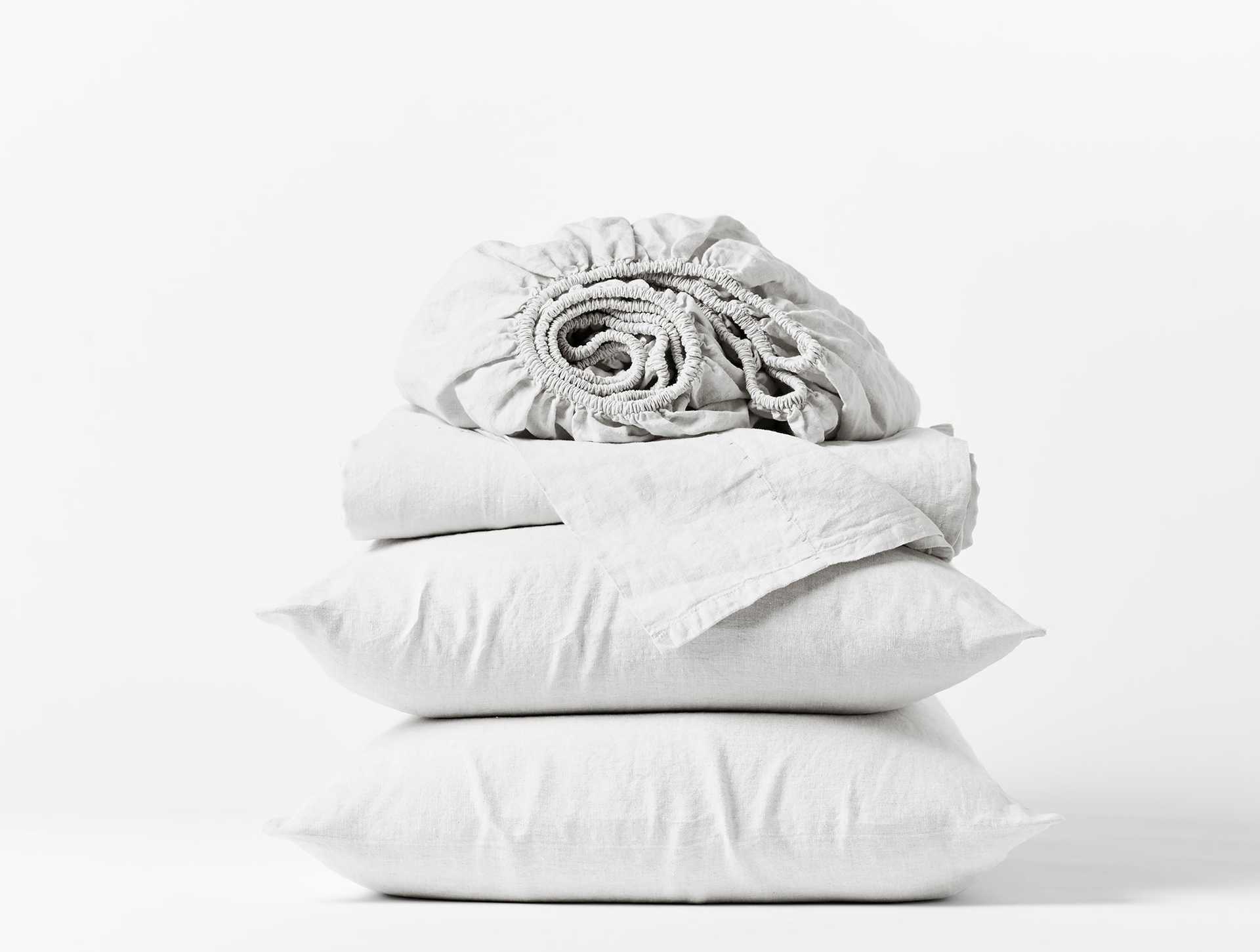
For example, the Organic Relaxed Linen Sheet Set is described as 100% organic flax linen, woven in Portugal from flax grown in France. Its listed construction includes a fitted sheet with a 15-inch pocket, a full elastic edge, and pick-stitched details. These details offer a useful illustration of what to look for in bedding: fiber content, origin, construction, fit, care instructions, and any certification claims. They are not a universal standard for linen, but they can help you understand a particular set.
Make the foundation easy to live with. If you prefer a bed that looks neat with minimal effort, choose a simple sheet color and let the texture provide interest. If you enjoy a more layered look, start with a quiet base that can sit comfortably beside a patterned quilt, a contrasting duvet, or an accent pillow. A foundation does not have to be plain, but it should make the next choices easier.
Let texture create the contrast
Texture is the secret to a layered bedroom that feels rich without becoming busy. Linen’s slightly uneven surface can pair beautifully with a smoother cotton cover, a nubby knit blanket, a quilted layer, or a substantial woven coverlet. The contrast is tactile as well as visual: one fabric reflects light softly, another has a more defined pattern, and a third may add a cushioned or lofty finish.
Try to vary the character of the materials rather than adding several nearly identical layers. A linen sheet, linen duvet, linen coverlet, and linen pillowcases can look cohesive, but if every surface has the same weight and color, the bed may seem flat. A change in weave, finish, or material creates separation. For instance, a lightly rumpled linen duvet can sit above smooth sheets, while a textured blanket folded across the foot introduces a distinct finishing note.
Weight matters just as much as appearance. A crisp, light layer may feel right in summer, while a heavier blanket can provide useful warmth in colder weather. A coverlet offers a versatile middle layer: it can be used on its own in mild conditions or combined with a duvet when the room cools. The best arrangement is one you can adjust easily, rather than a fixed stack that is either too warm or too thin.
Keep the silhouette in mind as you layer. A blanket folded lengthwise at the foot of the bed creates a relaxed band of texture; a coverlet pulled higher can give the whole bed a more finished appearance. Let some of the sheet or duvet edge remain visible when you want to show the difference between layers. A little variation in fold and drape makes the arrangement feel human, not overly measured.
Choose a color story that can breathe
Color is often the first thing people notice, but it does not need to be complicated. A useful starting point is a base of one or two related neutrals, then a smaller accent that gives the room personality. Ivory, warm white, oatmeal, soft gray, and natural flax tones can work as a calm foundation. From there, muted blue, olive, clay, or a deeper charcoal can add definition without overwhelming the bed.
Consider undertones as well as color names. Two shades both described as white may lean warm or cool, and those differences become more apparent when fabrics sit side by side. A warm ivory sheet can look gently creamy beside a cool gray blanket; next to a stark, blue-white duvet, the contrast may feel sharper. If possible, compare fabrics in the light where the bed will be used, since daylight and lamplight can change how colors appear.
For a tonal look, combine shades that are close but not identical. A pale beige sheet, a slightly deeper flax-colored duvet, and a soft brown throw can feel layered without relying on pattern. For a more graphic approach, use a neutral foundation and one defined accent, such as blue pillowcases or a green blanket. Repeat that accent once elsewhere in the room—perhaps in a small textile or another restrained detail—so it feels connected rather than random.
Pattern can enter the mix, too, but let it have room. If the duvet or quilt has a noticeable motif, keep neighboring layers quieter. If everything is solid, a patterned pillow cover or a finely striped blanket may bring welcome energy. The goal is not to match every piece exactly. A bedroom can feel cohesive when its colors share a mood, even if the shades and patterns differ.
One practical way to test a palette is to remove a layer before adding anything new. A bed crowded with competing colors can become calmer when one pillow or blanket is put away. Conversely, if the arrangement feels flat, a single accent layer may be all it needs. Edit by looking at the whole room, not just the bed: wall color, flooring, window coverings, and the light coming through the windows are part of the composition.
Adjust the layers as the seasons change
Seasonal bedding does not have to mean replacing everything twice a year. Often, a few thoughtful changes are enough. In warmer months, use breathable sheets and a light cover that is easy to pull back. Keep an extra layer nearby rather than making the bed so heavily that it becomes uncomfortable by morning. A summer-weight comforter or a light blanket can offer coverage without the visual bulk of a thick winter stack.
When the weather turns cooler, bring in a coverlet, quilt, or warmer duvet. The advantage of layering is flexibility: you can add or remove warmth according to the room, the night, and your own comfort. A blanket at the foot of the bed can be a practical reserve, not simply a decorative gesture. Fold it so that it is easy to reach, and make sure it does not interfere with how you sleep.
Color can shift with the season, but it does not need to follow a strict calendar. Light neutrals and watery tones can feel fresh in spring and summer; rust, olive, tobacco, and deep blue may create a cozier impression in autumn and winter. These are possibilities, not rules. A favorite pale linen can feel just as welcoming in January when paired with warm layers, and a rich accent can bring depth to a bright summer room.
Seasonal changes are also a good moment to reassess storage and care. Launder items according to their care labels before putting them away, and store them completely dry in a clean, breathable space. Rotate blankets and decorative covers so that the items in use get a break. A small, well-maintained collection of complementary layers can be more useful than a large pile of pieces that rarely work together.
Make pillows part of the plan
Pillows contribute both support and shape, so it helps to separate the practical from the decorative. Start with the pillows you actually sleep on, and choose cases that fit their dimensions without pulling tightly at the seams. Then decide whether you want one or two additional pillows for reading or for a finishing touch. There is no need to add a row simply because a styled photograph has one.
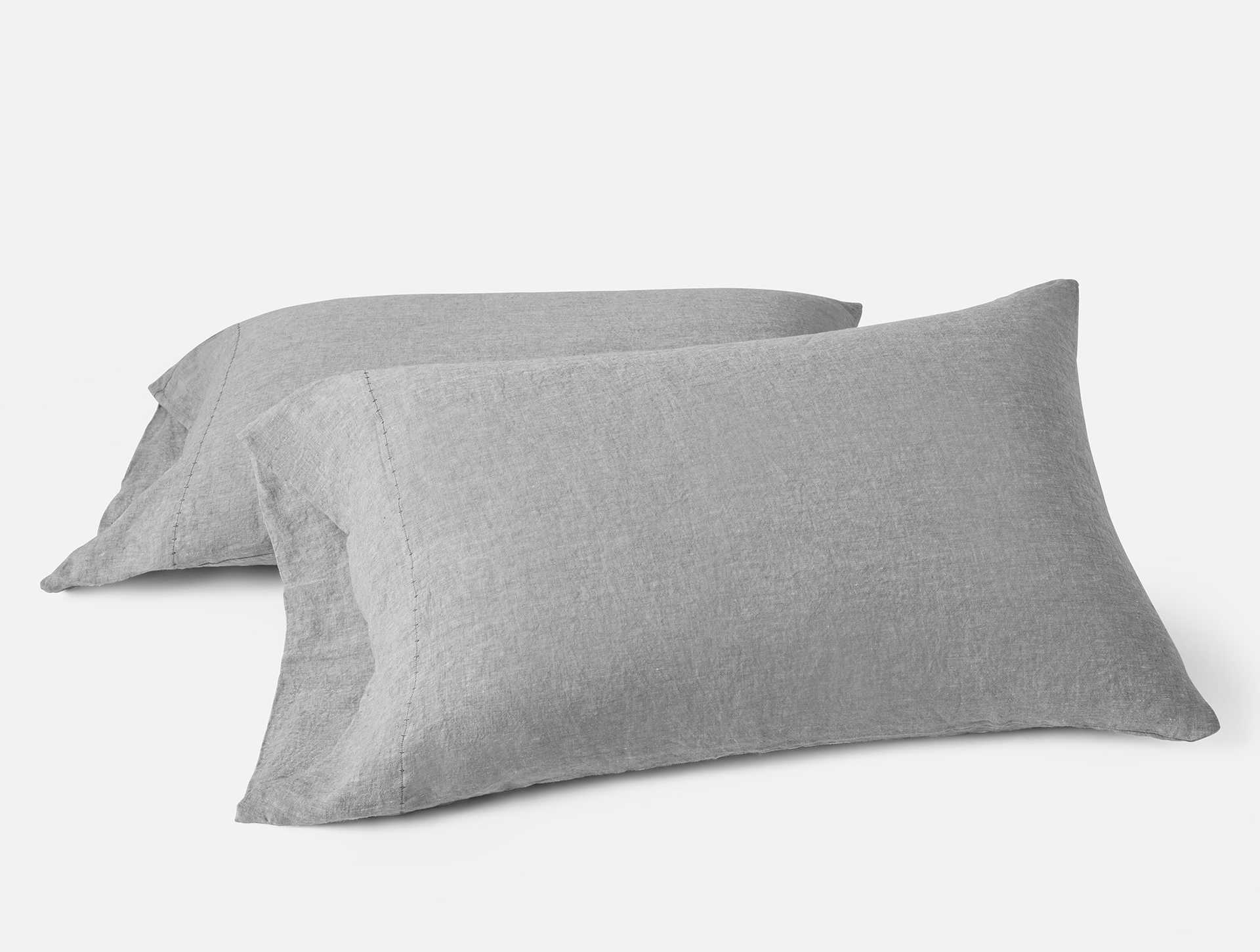
Different cases can add subtle contrast while keeping the bed coordinated. A pair in a slightly deeper shade, a simple flange, or a stitched cuff can bring detail close to the face without introducing a new print. The Organic Relaxed Linen Pillowcases, for instance, are described as GOTS-certified organic French linen woven in Portugal, with pick-stitched cuffs and a plant-based finish. Those construction details can be useful when comparing pillowcases, while color and texture determine how they work with the rest of the bed.
Decorative covers can be a low-commitment way to refresh a room. One cover in an accent color or contrasting weave may be enough to change the feeling of the bed. Remember to check whether an insert is included or sold separately, and choose a cover size that suits the insert and the look you want. An overfilled pillow can feel more structured; a softer insert gives a more relaxed shape.
Comfort still comes first. Pillow height and firmness should suit your sleeping position and personal needs. Decorative styling should never make it difficult to use the bed, and pillows that are removed each night need a convenient place to go. A basket, bench, or clear spot on a chair can make the routine feel easy rather than like an extra chore.
Keep linen looking relaxed, not neglected
Natural creases are part of linen’s character, but care still matters. Follow the label for the specific item, because washing and drying recommendations may differ according to the weave, finish, color, and construction. Many linen bedding instructions recommend a gentle wash and lower dryer heat, while some products may suggest a different routine. When in doubt, the care label is more useful than a general rule.
Avoid overcrowding the washing machine. Fabric needs room to move and rinse properly, and heavy loads can encourage tangling or excessive abrasion. Use an appropriate amount of detergent, wash similar colors together, and remove items promptly after drying to limit set-in creases. If you prefer a smoother finish, a warm iron may help; if you like linen’s naturally relaxed appearance, a careful shake and an even spread over the bed may be enough.
Do not assume that softeners or bleach are appropriate. Some product instructions specifically advise against fabric softener, chlorine bleach, or detergents containing whitening agents. These products can affect certain finishes and fibers, so check the manufacturer’s directions before using them. Promptly treating stains with an approach suitable for the fabric can also help, but harsh scrubbing may damage the surface.
Well-cared-for bedding should work with ordinary life. Linen does not need to look pressed and pristine to be attractive, and a relaxed bed can still be clean, orderly, and comfortable. Letting the material keep some of its natural texture is not a shortcut; it is part of the visual language that makes linen layers feel at home.
A simple method for layering your bed
If you are starting from scratch—or simply want to reset the bed—use a few deliberate steps. First, make the bed with the sheet set and check that the fitted corners sit securely. Add your main warmth layer, whether that is a duvet, comforter, or blanket. Then consider whether the room temperature calls for another layer. A coverlet can add useful warmth and structure, but it should not be included automatically.
Next, arrange the pillows you use for sleeping. Add decorative pillows only if they contribute a color, texture, or shape that you enjoy. Finish with a folded blanket at the foot of the bed if you need an accessible extra layer or want a clear textural accent. Step back and look at the bed with the rest of the room in view. If it feels crowded, remove one element. If it feels too uniform, introduce one contrasting material or a quiet accent shade.
- Foundation: Choose sheets that fit the mattress and feel comfortable against your skin.
- Warmth: Select a duvet, comforter, or blanket suited to the room and the season.
- Texture: Add contrast with a different weave, finish, or fabric weight.
- Color: Keep a simple base and use accent shades with intention.
- Finish: Use pillows and a folded layer only when they add comfort or character.
- Care: Follow item-specific instructions so the layers stay pleasant to use over time.
This method leaves room for instinct. A bed is not a display that needs to remain untouched; it is a practical part of a room you use every day. The layers should make it easier to rest, adapt to temperature, and enjoy the space. A little asymmetry, visible creasing, or a blanket that is not perfectly centered can be part of the charm.
The lasting appeal of a linen-layered bedroom
Linen’s appeal is not limited to a particular interior style. It can sit comfortably in a spare, modern room, a traditional bedroom, or a space filled with collected objects. The fabric offers a natural texture that can soften clean lines, while its understated appearance gives stronger colors and patterns a place to land. That flexibility makes it easier to make small changes without starting over.
Ultimately, a successful linen-layered bedroom is less about perfect coordination than about balance. Give the bed a comfortable foundation, add only as much warmth as the season requires, and let differences in texture do some of the decorating. Choose colors that feel connected to the room, care for each layer according to its instructions, and leave a little room for the natural drape and creases that make linen distinctive.
The result can be polished without feeling precious: a bed that looks inviting in the morning, adjusts with the weather, and welcomes you back at night. That is the quiet strength of linen bedding—not a demand for a particular look, but a versatile starting point for a bedroom that feels like your own.