 Bedding
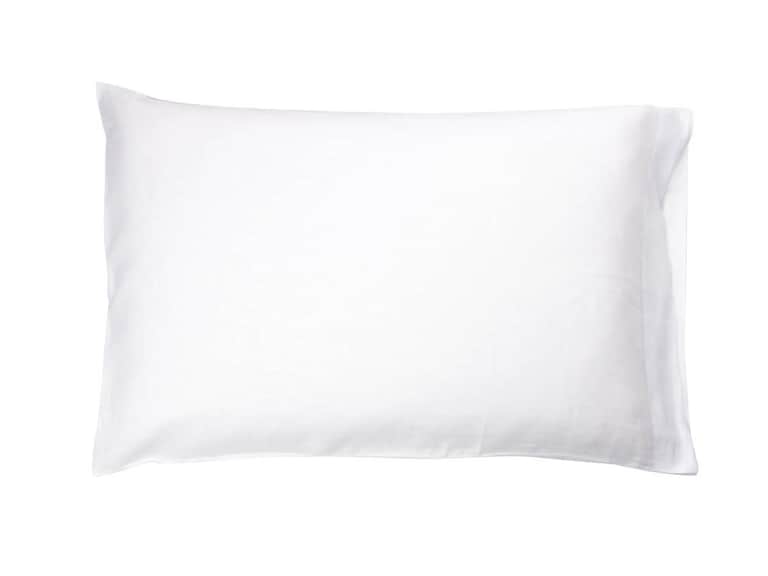
Wilson Pillow insert
Experience plush, responsive support with a natural duck feather fill wrapped in soft cotton; breathable, durable, and ethically sourced under RDS for peace of mind.
Pillows are essential for personalized sleep comfort and spinal alignment, with design variations that suit different sleeping positions and preferences. Understanding pillow fill types, loft, and firmness helps users select supportive options that promote restful nights while reducing neck tension and pressure points. This category includes materials such as memory foam, latex, and traditional feather fills, each offering distinct feel and contouring benefits.
Key features to consider include cover fabric, cooling properties, and maintenance requirements. Breathable, hypoallergenic fabrics can improve air flow and reduce irritants, while removable, washable covers simplify care. Assessing pillow height through sleep posture—whether back, side, or stomach sleeping—ensures proper alignment of the head, neck, and shoulders.
The Classics Geneva Pillow-case demonstrates how pillow-specific accessories enhance usability and longevity. Its design emphasizes durability and ease of handling, with a secure fit that prevents shifting during the night. Functional benefits include preserving pillow shape, protecting inserts, and accommodating various pillow sizes for consistent comfort.
Among filling options, memory foam contours to the neck and cradles the head for stable alignment, while latex offers resilient support and natural ventilation. Down alternative blends provide plush comfort with cleaner maintenance. Evaluating compression, return to shape, and temperature regulation helps determine which pillow type best complements diverse bedding systems.
In addition to core support, compatibility with other bedding items—sheets, pillowcases, and bed covers—impacts overall sleep experience. Considering standard dimensions versus specialty shapes, along with care instructions, ensures long-term performance. This informational overview helps users connect pillow characteristics to everyday usability and restful sleep outcomes.
Bedding
 Bedding